

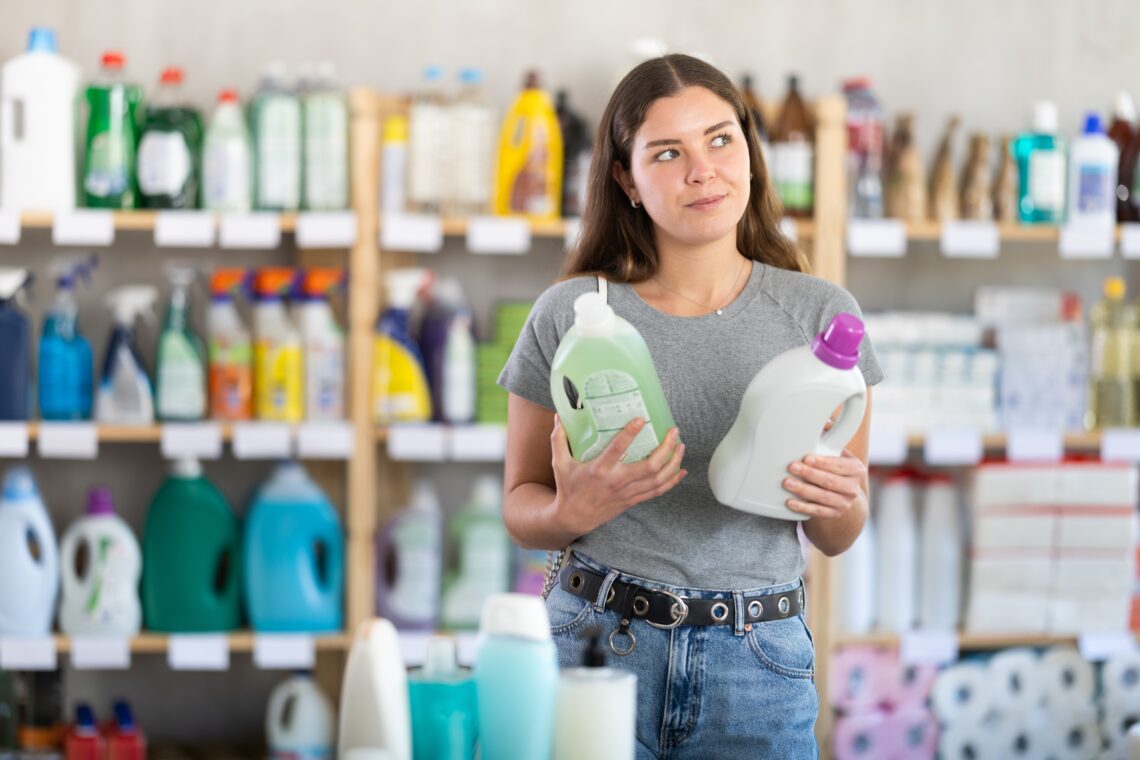
We tend to consider health as a function of diet and exercise. What if the key to health actually starts in our homes, in the air we breathe, the surfaces we touch, and the products we use on a daily basis?
Our bodies are remarkably smart. Our liver, kidneys, lungs, skin, and digestive system are working hard every day to detoxify and filter out toxins to keep us healthy. But when we are constantly exposing our bodies to man-made chemicals, fragrances, plastics, and harsh chemicals in our environment, we are overloading our bodies. This can lead to fatigue, inflammation, headaches, hormone imbalances, and other issues down the line.
It’s not about being perfect. It’s about cutting back. Reducing unnecessary exposures so that our bodies can do what they were meant to do.
- Rethinking Plastics in the Kitchen
The kitchen is one of the first areas that needs to be addressed.
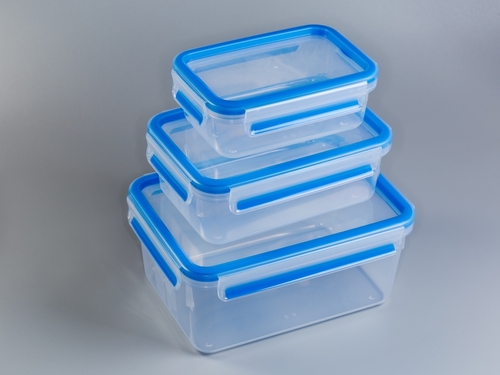
Microwaving or storing hot leftovers in plastic containers can lead to the leaching of chemicals into food. This can be avoided by using glass or stainless steel containers instead of plastic. Using wooden or bamboo cutting boards instead of plastic ones can also help reduce the emission of microplastics.
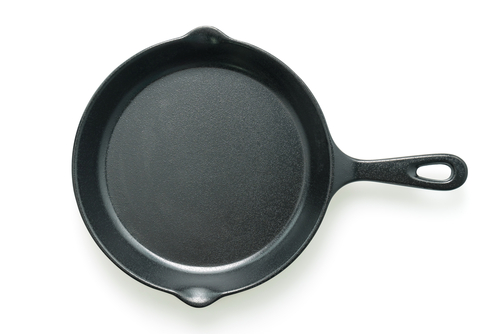
Cookware is also an area that needs to be addressed. Using cast iron, stainless steel, or ceramic cookware instead of non-stick cookware that is heavily coated with chemicals can help avoid exposure to chemicals that break down at high temperatures. Cast iron skillet use can help reduce iron deficiency and iron deficiency anemia.
Small changes made over time can make a big difference in reducing exposure to chemicals.
2. Carpets vs. Hardwood Floors
The carpeting can harbor dust, pet dander, mold spores, flame retardants, and outdoor pollutants. Even with regular vacuuming, it is hard to completely eliminate what is accumulated in the carpeting fibers.
Hardwood, tile, or natural flooring choices are easier to clean and tend to harbor fewer allergens. If carpeting removal is not feasible, regular vacuuming with a HEPA filter and periodic deep cleaning can help reduce the load.
Less dust in the house means less for the immune system to respond to — and less inflammation in general.
3. Cleaning Chemicals: Less Can Be More
Many commercial cleaning products contain synthetic fragrances, ammonia, chlorine, and volatile organic compounds (VOCs). Although they may leave a strong “cleaning” smell, they can irritate the lungs and skin.
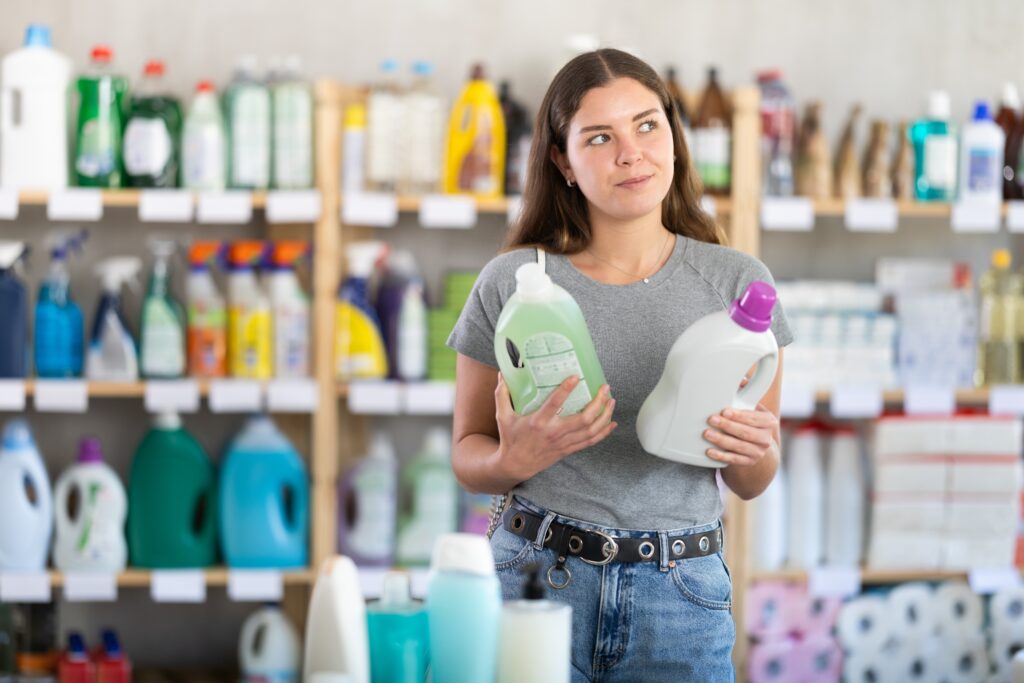
The truth is that most cleaning can be accomplished with a few simple ingredients:
- Vinegar for glass and surface cleaning
- Baking soda for scrubbing
- Unscented castile soap for general cleaning
- Hydrogen peroxide for disinfecting
The body has to work to eliminate what we breathe. Reducing airborne chemicals makes it easier on the liver and lungs.
4. Soaps, Bathroom Items, and Personal Care
Skin is not a barrier; it is absorbent. Many creams, shampoos, deodorants, and body washes contain artificial fragrances, parabens, phthalates, and preservatives.
Using products with simpler ingredient lists can help. Opt for fragrance-free products or products scented naturally with essential oils (in moderation). Bar soap tends to have fewer preservatives than liquid soap.
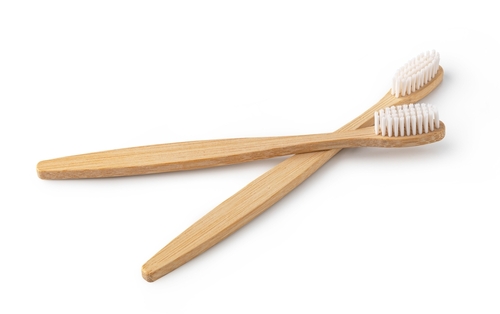
Even small changes, such as using bamboo toothbrushes, glass dispensers, and minimal plastic packaging, can help reduce exposure to chemicals in the environment and in one’s own life.
5. Candles, Scents, and Indoor Air
One of the most prevalent indoor air pollutants is artificial fragrance. Traditional candles may be emitting artificial fragrance ingredients and soot.
If you like candles, look for beeswax or soy candles that burn cleanly and are fragrance-free. Open windows. Let fresh air in. Use diffusers judiciously and avoid making fragrance a constant presence.
Sometimes, the healthiest home is just a home with no scent.

Supporting the Body Instead of Stressing It
Your body is always detoxing. The liver breaks down chemicals, the kidneys filter out toxins, and the lungs breathe out gases. But detoxing costs energy and nutrients. When we overburden our bodies with unnecessary toxins, we make the cost of being alive even higher.
Reducing toxins doesn’t mean living in fear. It means living with intention.
Use fewer products. Fewer ingredients. More natural materials. Better ventilation. Cleaner water. Real food.
Our health isn’t just what we add. It’s also what we subtract.
When we lighten the load on our bodies, we give our bodies room to flourish.